Skilled Roofer for High-Grade Roof Work
Engaging a skilled roofing contractor represents a smart choice for property owners seeking high-quality roof services. These specialists not only ensure adherence with local building codes but also offer availability to superior materials. Their capacity to identify and address potential issues early can save substantial time and money. Understanding the different roof types offered and their advantages can improve this process. What factors should property owners evaluate when selecting the right professional for their requirements?
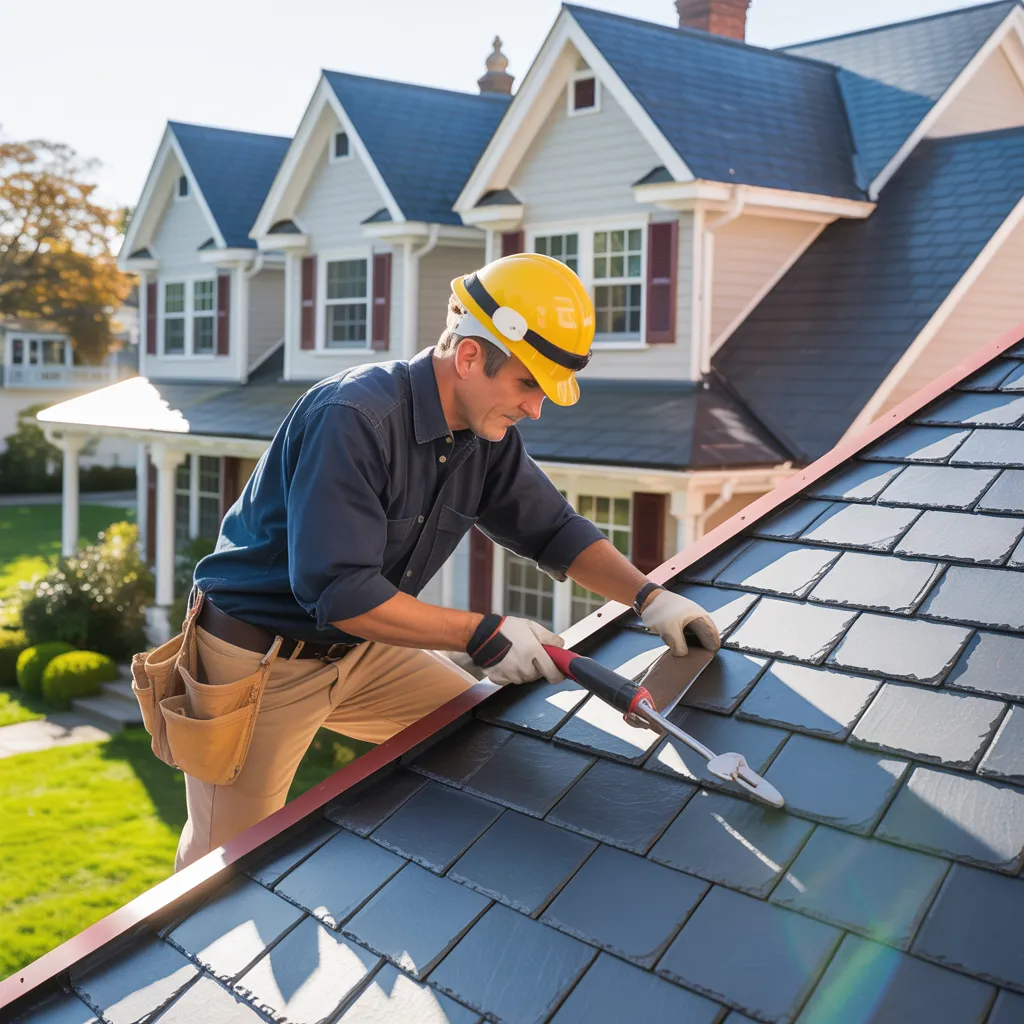
Why You Should Bring in a Experienced Roofer
When considering a roof job, enlisting a skilled roofing contractor ensures both superior craftsmanship and secure installation. Professional roofers have the necessary training and knowledge to handle different roofing problems efficiently. Their experience allows them to spot possible problems before they escalate, guaranteeing lasting performance. Furthermore, they are well-versed in local building codes and compliance requirements, which reduces the chance of regulatory issues.
Moreover, certified roof technicians have access to top-tier supplies that may not be available to the standard property owner, elevating the overall effectiveness of the roof mechanism. They also present assurances that can provide tranquility, preserving the resources dedicated to the roofing project. Importantly, safety is paramount; professional roofers are supplied with the suitable apparatus and protective attire to perform their work without endangering injury. To conclude, contracting a certified roofing technician is a judicious decision for achieving a dependable and secure roofing solution.
A Overview to Favored Roofing Solutions and Their Benefits
A wide range of roofing materials are accessible, each presenting different pros appropriate for various tastes and requirements. Asphalt shingles remain within the most popular due to their economical pricing, simple installation, and range of colors. Metal roofing, recognized for its durability and extreme weather resistance, also reflects heat, making it economical in energy use. Slate tiles present a timeless look and superior longevity, while clay tiles provide superior insulation properties and can handle harsh climates.
For homeowners seeking eco-friendly alternatives, rubber roofing is growing in demand; it mimics the appearance of premium materials and is made with recycled products. Wood shakes give a organic, rustic aesthetic but necessitate more maintenance. Finally, synthetic roofing materials combine the best features of traditional options, providing flexibility and durability. Each material brings unique benefits, making it important for homeowners to evaluate their goals and consult professionals when determining the best roofing solution.
Standard Roof Issues and How Professional Services Fix Them
Frequent roofing issues, for instance leaks and water damage, can produce significant foundation and structural damage if not addressed without delay. Additionally, missing or damaged shingles diminish the roof's integrity and expose the home to further threats. Qualified specialists employ diverse techniques to pinpoint and address these issues, guaranteeing sustained defense and peace of mind for homeowners.
Leaks and Water Damage
Leaks and water damage present considerable difficulties for homeowners, often resulting in costly repairs and structural concerns. These issues typically arise from a variety of sources, including aging materials, improper installation, or even severe weather conditions. Water infiltration can compromise insulation, promote mold growth, and weaken structural integrity. Professional roofers utilize advanced techniques to detect and resolve leaks effectively. They perform thorough inspections to pinpoint vulnerable areas, employing tools such as moisture meters and infrared cameras. Once identified, they implement targeted solutions, which may include sealing, flashing replacement, or, in severe cases, partial roof replacement. By addressing leaks promptly, professionals help homeowners reduce damage, ensuring long-term protection and peace of mind.
Lost or Damaged Shingles
Roofing concerns often emerge through missing or damaged shingles, which can compromise a home's protective shield. These defects expose the core framework to elements, potentially leading to leaks and further deterioration. visit resource Professionals typically execute thorough inspections to ascertain the magnitude of destruction. They may advise substituting isolated shingles or full sections, based on the severity. Using top-tier materials, experienced roofers assure proper installation to prevent upcoming problems. Additionally, they review the roof's overall condition to handle any underlying problems, such as poor ventilation or foundational vulnerabilities. Regular servicing and swift repairs are essential for maintaining a roof's integrity, ultimately protecting the home against water damage and other ecological dangers.
Picking the Finest Roofing Alternative for Your Property
When deciding on the best roofing option for a home, it is essential to evaluate individual roofing needs first. Understanding the variety of roofing materials available and their respective costs can greatly impact the choice process. Budget considerations also serve as essential in confirming that the chosen solution meets both aesthetic and operational.
Evaluating Your Roofing Needs
How can one select the most appropriate roofing choice for their home? Evaluating roofing needs involves reviewing the home's architectural style and local climate. Homeowners ought to reflect on aspects such as energy efficiency, durability, and maintenance demands. A detailed assessment of the current roof can show potential problems that may affect material choices. Additionally, budget limits matter greatly; knowing the long-term costs versus initial investment is essential. Getting advice from a professional roofer can provide valuable insights and recommendations designed for specific needs. In the end, the decision should reconcile aesthetic tastes and functional needs, making sure the chosen roofing system adds to the home’s value while delivering lasting protection.
Material Choices Overview
Choosing appropriate roofing materials constitutes a fundamental phase in the entire roof undertaking. Homeowners need to weigh different possibilities, each featuring separate strengths and weaknesses. Asphalt shingles are established for their affordability and ease of installation, while metal roofing ensures durability and energy efficiency. Clay and concrete tiles furnish a sophisticated, permanent option, notably fitting for warm climates. Wood shakes exhibit a natural aesthetic but demand more frequent upkeep. Synthetic materials, like rubber or plastic, echo traditional styles while ensuring improved longevity. Furthermore, green priorities may motivate some homeowners to discover environmentally responsible alternatives including green roofs or recycled materials. At the end of the day, determining the finest roofing material is contingent upon the home's design, climate, and personal preferences.
Budget Factors Detailed
Budgeting for a roofing project usually requires thorough consideration of several factors to ensure homeowners choose the most appropriate option for their needs. First, material selection significantly impacts both initial costs and long-term durability. Asphalt shingles may be cost-effective, while metal or tile options might offer greater longevity but at a higher price. Additionally, labor costs can vary based on the roofing contractor’s expertise and the project’s complexity. Homeowners should also factor in potential unexpected expenses, such as the need for structural repairs or permits. Finally, considering long-term savings through energy efficiency and warranties will help in making an informed decision that balances upfront investment with future benefits.
Anticipated Outcomes From the Roof Installation Procedure
Learning about the roofing process can significantly improve a homeowner's experience during a roofing project. Initially, homeowners should expect a thorough examination of the existing roof to assess its condition and the necessary repairs or replacements. Following the assessment, a complete proposal will detail the scope of work, supplies, and timeline.
Once the project begins, homeowners can be prepared for an organized setup with safety provisions in place to shield their property. The roofing crew will strip away old materials, check the underlying structure, and install new roofing systems according to industry standards. Dialogue is paramount, as homeowners should expect regular communication on progress and any unexpected problems.
Ultimately, the project concludes with a thorough inspection to guarantee performance and compliance to specifications. Homeowners should also receive maintenance advice to maintain the life of their new roof, reinforcing the importance of knowing the entire roofing process.
Why Regular Roof Inspections Matter
Although many homeowners may disregard roof care, regular check-ups are important for maintaining the condition and durability of a roof. These inspections help spot minor issues before they turn into costly damage. By spotting issues such as water seepage, loose tiles, or moss growth early, house owners can conserve both time and money.
In addition, routine inspections ensure that the roof adheres to local building codes and regulations, which can avoid future complications during property transactions. Seasonal changes can damage roofing materials, making it essential to monitor wear and tear.
Moreover, a well-kept roof boosts the aesthetic appeal of a home and enhances its resale price. Engaging in routine evaluations not only preserves the structural integrity of the property but also offers confidence for property owners. Ultimately, prioritizing roof inspections is a proactive approach to home care that generates benefits in the long run.
Finding and Hiring a Expert Roofer in Your Area
Upon acknowledging the value of consistent roof maintenance, homeowners frequently pursue expert professionals for repairs and maintenance. Identifying a reputable roofing professional in their locality can be challenging; however, several useful methods can facilitate the undertaking.
Before starting, property owners should ask for recommendations from friends, family, and neighbors who have recently completed roofing services. Feedback and scores posted on sites including Google and Yelp can also supply important information regarding a roofing contractor's credibility.
After a list of prospective applicants is compiled, homeowners should confirm qualifications, encompassing licenses and insurance. Getting various estimates enables them to compare prices and services offered.
Additionally, asking about warranties and guarantees can help ensure durable outcomes. By following these steps, property owners can securely engage a professional roofer who meets their specific needs, guaranteeing their roofs remain in optimal condition for many years.
Frequently Asked Questions
What Credentials Do You Need to Review in a Skilled Roofer?
When looking for a professional roofer, one should emphasize credentials such as valid licenses, insurance coverage, extensive experience, positive customer reviews, and compliance with industry standards. These factors guarantee quality craftsmanship and protection against potential liabilities.
How Much Duration Will a Typical Roofing Project Require to Finish?
A routine roofing project often takes one to three days on average, relying on the magnitude and sophistication of the roof, weather conditions, and the crew's performance. More intricate or larger-scale roofs may call for extended duration.
Are Roofing Warranties Transferable if I Sell My Home?
Roofing warranties are commonly transferable, though certain requirements are applicable. Homeowners should check the guarantee papers for particulars regarding transferability options, as some manufacturers necessitate notification and may impose time constraints on the transferring procedure.
What Ought to I Do if I Observe Roofing Deterioration After a Storm?
If damage to the roof is thought after a storm, the homeowner should inspect the roof for visible issues, log any damage, and seek professional advice for an inspection to establish what repairs are needed and prevent further problems.
What Steps Should I Take to Keep My Roof Between Qualified Assessments?
Frequently examine the roof for debris, check for damaged shingles, and remove debris from gutters to stop water pooling. Address small issues promptly and monitor for evidence of leaks or wear between professional inspections.